Publishers Weekly

“Edie’s increasingly unpredictable behavior reaches its crescendo with a heartbreaking climax, and along the way, the author explores not merely Edie’s guilt, but the complicated feelings over her loss. This quick, engrossing novel brings laughter and tears.” Read full review
Booklist

STARRED REVIEW – Edie Richter is Not Alone
“Handler’s Edie joins the ranks of unforgettably eccentric, intelligent women protagonists, such as the titular character in Gail Honeyman’s ‘Eleanor Oliphant Is Completely Fine’ and Eleanor Flood in Maria Semple’s ‘Today Will Be Different’.” Read full review
Books are Magic
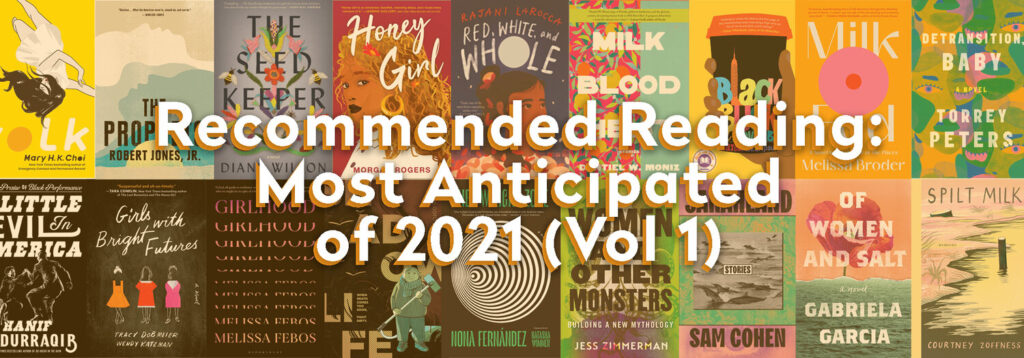
Thank you, Books are Magic, for including Edie Richter is Not Alone in your Recommended Reading: Most Anticipated 2021 Releases (Vol. I)!
Edie Richter Is Not Alone by Rebecca Handler (March 9)
A Californian with a secret moves to Australia. I’m intrigued! –Mike FS
Kirkus Reviews
STARRED REVIEW – Edie Richter is Not Alone
“A tragicomic exploration of the collateral damage of Alzheimer’s disease… Handler gets it right from the title on out. Edie is definitely not alone. Her plight is one many readers will respond to deeply and perhaps even be soothed by… Profound yet often quite funny, keenly observed, and deeply affecting.” Read full review
Untitled #14
Yesterday I woke up thinking about a movie I saw in Perth several years ago. A documentary about a family who moves to the Canadian wilderness, the story is a beautiful portrayal of isolation, hardship, and unconditional love. But what was it called? As my tea brewed, I pulled my robe tighter and took a swig from my water bottle. I closed my eyes and envisioned the poster for the movie. A mother pushing her kids through the snow in a wooden sled. But what on earth was the title?
On the walk to my office, I listened to “Against All Odds.” I wish I could just make you turn around. Turn around and see me cry. This was not the state I needed to be in. I put my phone away and started thinking about that movie again. Was it called All The Love? Our World? No. There’s a bear, and someone gets sick. Was bear in the title?
Titles are either good, bad, or forgettable. I find it hard to assign titles to my writing. I understand artists who simply use Untitled #14 or whatever. How can we expect to sum up a piece of writing in a few words? Dave Eggers’ A Heartbreaking Work of Staggering Genius might be the best title of all time. The Wind-Up Bird Chronicle isn’t bad either. Some titles are like bubbles – pretty for a moment, until they’re gone. Yesterday Never Came, for example, or Love on The Mind (I made these up).
For my debut novel coming out in March, I had a long list of titles. For a while it was called You Belong To Everyone, and then it was simply the name of the narrator, Edie Richter. I toyed with Species Checklist but couldn’t say it without spitting on myself. I liked Lost Satellite Reception but it didn’t have much to do with the story. I think I just liked the word satellite. I scrolled through lyrics to Sufjan Stevens songs, because he makes an appearance in one chapter. My editor also had a list of possible titles, but I didn’t love them. Finally, the name came to me. It was simple, paid tribute to the matter-of-fact protagonist, while expressing the theme of the book. Edie Richter is Not Alone. My editor approved, and within days I was reviewing potential covers.
Walking home from my office yesterday, I found myself behind three meandering young men discussing their favorite Thai restaurants. They took up the width of the sidewalk, so I slowed down, relishing the eavesdropping opportunity (something I miss during this pandemic). One of them noticed me however and pulled his friends towards the curb. “Let’s let this lady pass,” he said. I responded jokingly, “I’ve got big plans tonight. So many places to go.” The tall one with the bushy beard and black mask laughed and said, “Good point. I guess we have all the time in the world.”
As I passed them, I grinned under my blue Golden Gate Bridge mask. That was it. That was the name of the Canadian wilderness movie. All The Time in The World. It’s good. You should see it.
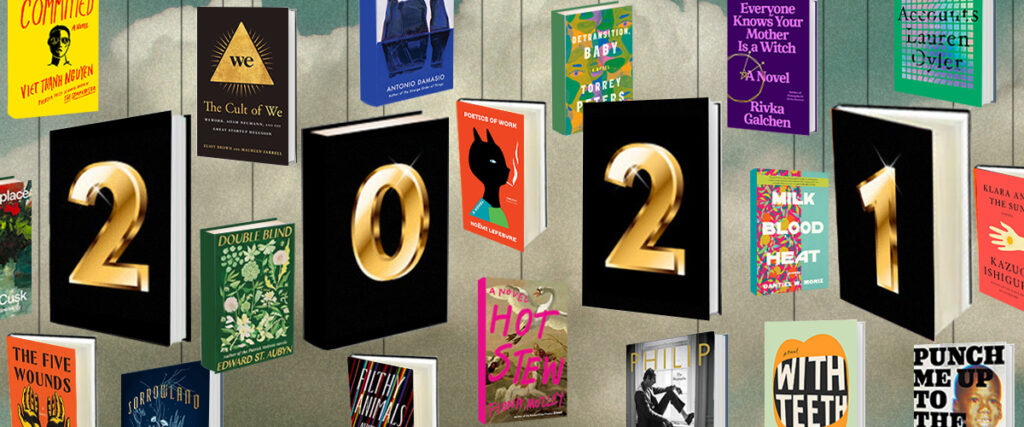
Welcome to 2021: A One-Woman Show
The stage is dark except for one lit candle poking out of a blood orange, balancing on a card table. The second movement of Mussorgsky’s “Pictures at an Exhibition” is blasting and it’s the frenetic strings part that sounds like rats running across a roof. A woman sprints down the center aisle of the theater and leaps onto the stage. She is wearing a hot pink cape and matching leotard. Barefoot, she begins to twirl. When the music stops the woman calls out, “Shepherd? Where is my shepherd?” She leaps through the air, back and forth across the stage, exactly six times, before putting out the candle with her thumb and index finger. At this point, a chandelier is lowered from the rafters. The fixture is made of dinosaur bones, bicycle chains, and battery-operated tea candles. It represents how far we have come, and how much further we have to go. The woman sways her arms overhead and starts singing “The Promise” by When in Rome. When she gets to the line, “I’m sorry but I’m just thinking of the right words to say,” she begins to cry. She pulls the candle out from the orange and throws both of them to the ground. Standing directly under the chandelier, she looks out to the audience and stage-whispers, “It didn’t have to be like this.”
The crowd goes wild.
The Could-Haves
Living through a pandemic means endless hours of evaluating risk and erring on the side of caution. The enemy is invisible and highly contagious. Friends could be poisonous, and a neighborhood walk feels like a spin of the roulette wheel. We’re out of eggs but is it worth killing Grandma? When isolation frustration kicks in, I try to feel grateful for all I have. When that fails, I consume stories about people on ventilators, and watch videos of families saying goodbye to dying, isolated relatives. I remind myself of the horror of Covid. We do not want this. We miss our friends, but we do not want this. I repeat my mantra: This is all we need to do. I think about how I want to look back on this year. I want my children to feel proud of themselves, sacrificing for the greater good.
Over the summer, my family and I were heading south on the 101 towards the Golden Gate Bridge, returning home after an outdoor, distanced dinner with friends in Marin. I was driving, my husband in the passenger seat, kids in the back. We were listening to the band Khruangbin and were nearly giddy from the rare event of socializing with non-family members.
Let me pause to mention that I am a nervous driver. In 2009, I was in a head-on car crash, one that left me – with the exception of a bruised nose from the airbag – miraculously, physically unharmed. But I carry that crash with me. I see the other driver’s face through the windshield and remember “Losing My Religion” was on the radio. I recall stepping carefully out of my red Honda Civic to examine the wreckage. A stranger took my arm and led me to the sidewalk. He said, “I saw it happen. I can’t believe you’re ok.” I remember the smell of his deodorant and the way his voice cracked when he said, “You’re ok.” My husband arrived and brought me to the hospital where I was placed under observation. Natasha Richardson had died earlier that year, two days after sustaining a head injury. No one was taking chances.
Back to the bridge and Khruangbin. As sometimes happens when I drive at night, a sense of dread came over me. I imagined flipping the car and catapulting off the side of the bridge, slamming into the dark water. I reviewed my alcohol intake, wondering if that was a factor. Two glasses of wine over four hours. Intellectually I knew I was sober, but my body wouldn’t cooperate. My hands turned sweaty and my legs trembled. I asked my husband to drive, and pulled off the highway into a mall parking lot. Later, after the kids had gone to bed, my only explanation was, “I thought something bad might happen.”
Recently I have found myself replaying that night. I made a choice, and all I have to show for it is what didn’t occur. I’ll never know what could have happened on the bridge. All the could-have-beens drowned in the cold dark water.
And now, during Covid, we make similar calculations without a spare driver. We are parked in our masks, on our Zooms, exhausted every night from assessing and quantifying everyday life. Tomorrow we will do the same. Make choices and wait.